
It is definitely a scary phenomenon when you smell gas in your house or workplace, and that is even worse if it happens to be liquid petroleum gas. LPG is a common gas we use for cooking, heating, and various industrial processes; if there’s any leakage of LPG, then this presents a serious risk to our health and safety through both fire and health hazards. It is therefore essential that, in the event of an intentional or accidental leakage of LPG into your home or work environment, you must act quickly and safely to avoid potential harm. This guide offers information on what to do immediately if there is a suspicion of gas leakage and other essential safety precautions to observe when handling Singapore LPG gas. It is essential to have knowledge of the various safety procedures when handling gas, especially when dealing with LPG in Singapore. There are a large number of houses and establishments that rely on gas supply on a daily basis.
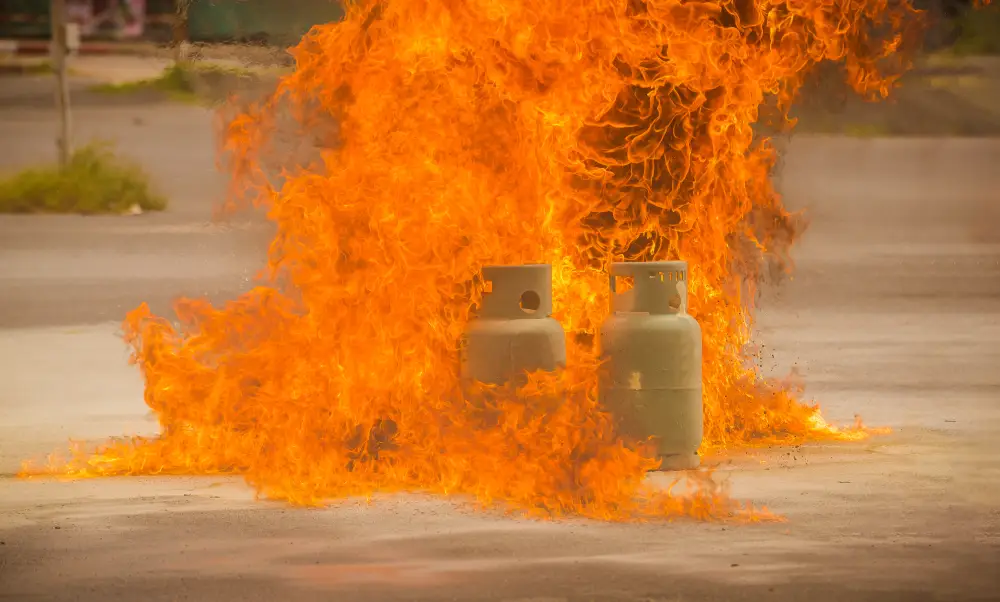
What should you do if there is a sudden LPG gas leak?
In case of an LPG gas leakage, it is advisable to switch off the gas supply if it is safe to do so, avoid using electrical switches or flames, open windows to ventilate the area, leave the place, and contact a professional LPG supplier Singapore. It is essential to act fast to avoid any fire or explosion or gas inhalation hazards.
Understanding LPG Gas and Its Risks
Liquefied Petroleum Gas, commonly known as LPG, is a highly efficient and widely used fuel. It is stored under pressure in cylinders and pipelines, which makes it convenient for household and commercial use.
LPG gas is used for cooking, heating and industrial purposes in a lot of homes and businesses in Singapore. LPG is usually safe, but if connections are loose, hoses are broken, or equipment isn’t kept up, leaks can happen.
Because LPG is flammable, even a small leak can become dangerous if exposed to a spark or flame. This is why knowing how to respond quickly during a leak is essential for safety.
Common Signs of an LPG Gas Leak
Recognising the signs of a gas leak early can prevent serious accidents. LPG has a distinct smell because an odourant is added to help people detect leaks quickly.
Some common warning signs include:
- A strong smell similar to rotten eggs or sulphur
- Hissing sounds near gas cylinders or pipes
- Gas appliances not functioning properly
- Physical symptoms such as dizziness or nausea
- Unusual frost on gas cylinders or valves
You should act right away if you see any of these signs.
10 Practical Safety Steps to Follow During an LPG Gas Leak
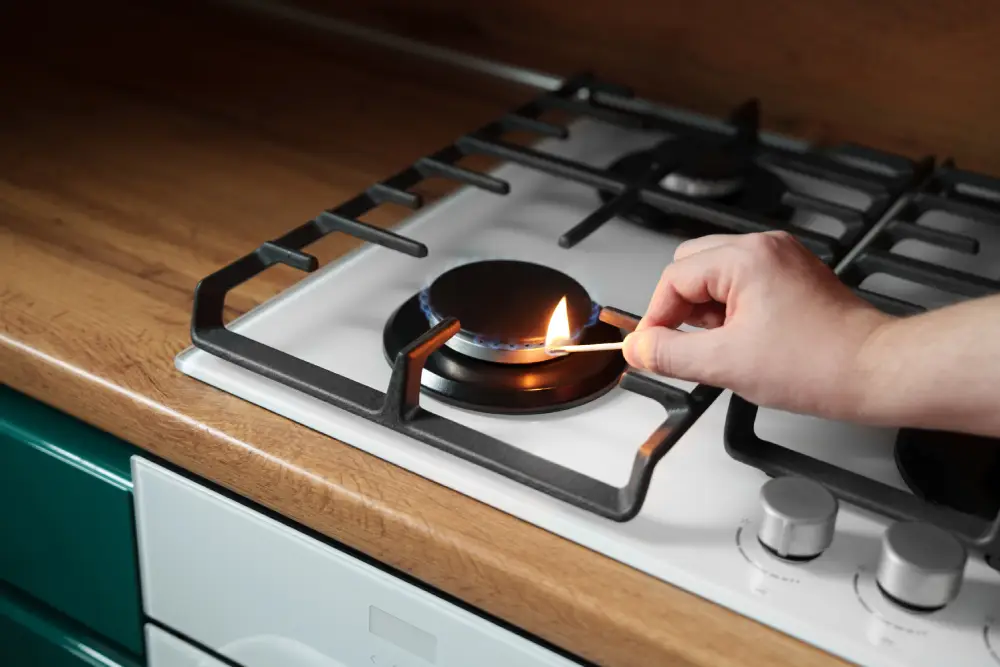
Responding correctly during a gas leak can protect lives and prevent major damage. The following steps should be followed carefully.
1. Stay Calm and Act Quickly
The first step is to remain calm. Panic can lead to unsafe actions. Quickly assess the situation and prepare to take safety measures.
2. Turn Off the Gas Supply
If it is safe to do so, close the gas cylinder valve or main supply valve immediately. This can stop further leakage.
3. Avoid Flames or Sparks
Don’t light candles, cigarettes, or matches. A small spark can set off gas that is leaking.
4. Do Not Use Electrical Switches
Avoid turning electrical switches on or off. Electrical sparks can trigger an explosion if gas is present.
5. Ventilate the Area
Open doors and windows to allow fresh air to circulate. Proper ventilation helps disperse accumulated gas.
6. Evacuate the Area
Get everyone out of the area right away if the smell of petrol is strong. Make sure that pets, kids, and older people are also evacuated.
7. Move Away from the Gas Cylinder
If the leak is coming from a cylinder, maintain a safe distance and avoid touching it unnecessarily.
8. Contact a Professional Gas Technician
When the area is safe, call a certified technician or LPG supplier Singapore to check out the system and fix the problem.
9. Do Not Restart Appliances Immediately
After the leak has been resolved, ensure appliances are checked before turning them back on.
10. Schedule Regular Maintenance
Routine inspections of cylinders, hoses, and valves reduce the risk of future leaks. Many Singapore LPG gas users rely on regular servicing to maintain safe systems.
Table: Quick Emergency Actions for LPG Gas Leaks
| Situation | Immediate Action | Purpose |
| Gas smell detected | Turn off cylinder valve | Stop gas flow |
| Closed room with gas smell | Open windows and doors | Improve ventilation |
| Strong gas leak | Evacuate the area | Prevent exposure and fire risk |
| Electrical appliances nearby | Avoid using switches | Prevent sparks |
| After leak control | Contact LPG gas supplier singapore | Ensure safe inspection |
Why Gas Leak Preparedness Matters
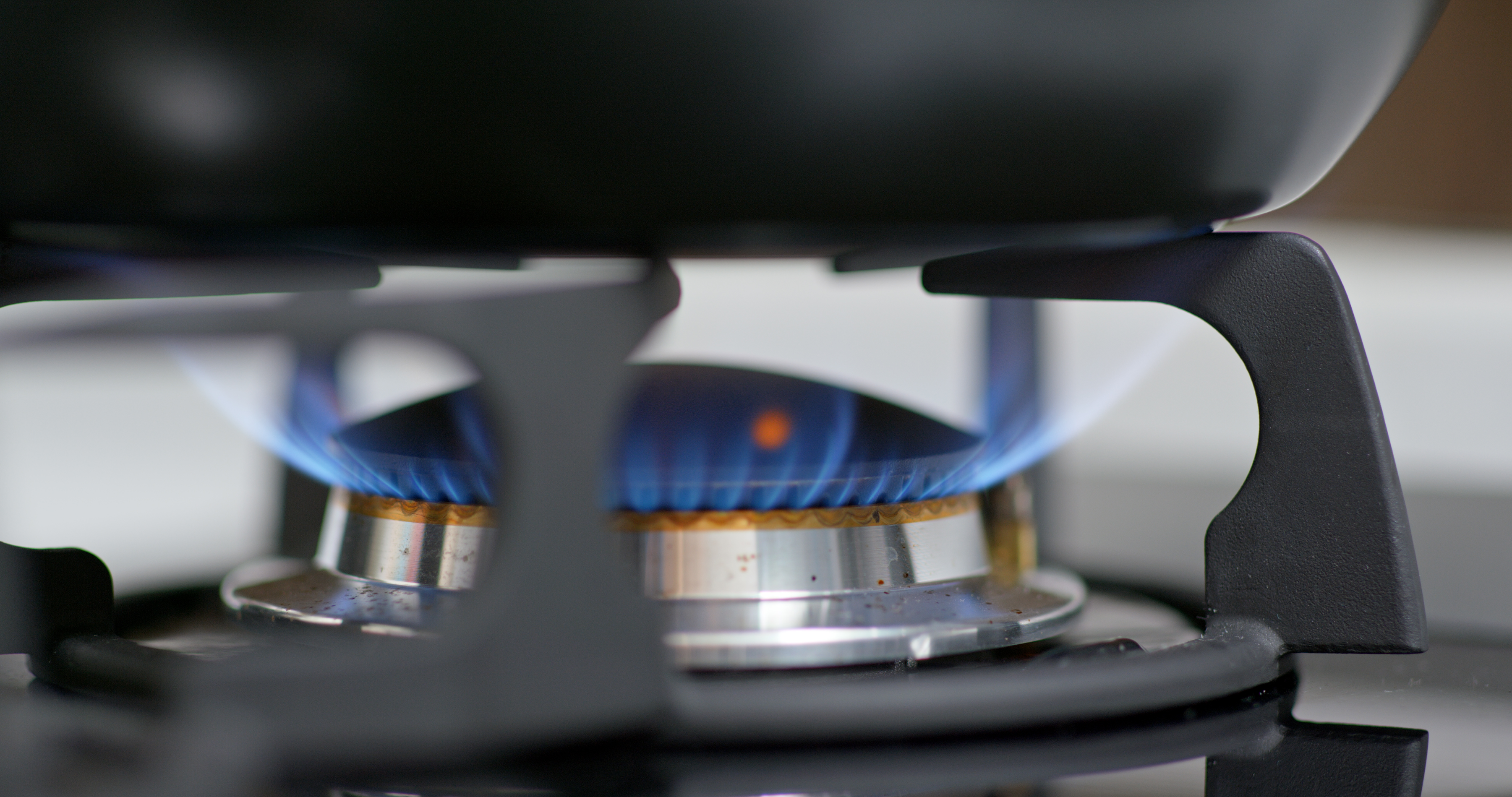
Many homes in Singapore depend on LPG gas for cooking, so it is an important part of daily life. Gas-powered equipment is also widely used in hotels, restaurants, and industrial kitchens.
Because LPG is stored under pressure, even a small system failure can lead to dangerous leaks. Proper awareness, safety training, and emergency preparedness significantly reduce these risks.
Preparedness includes understanding emergency procedures, maintaining equipment regularly, and ensuring gas cylinders are supplied by reliable providers.
Preventive Measures to Reduce Gas Leak Risks
While emergency response is important, prevention is even more valuable. There are several simple measures that can minimise the chances of leaks.
Regular Equipment Checks
Inspect hoses, regulators, and valves regularly for wear or damage.
Proper Storage of Gas Cylinders
Gas cylinders should be stored upright in well ventilated areas.
Professional Installation
Gas appliances and cylinders should always be installed by trained technicians.
Routine Servicing
Working with a trusted LPG gas supplier Singapore helps ensure equipment is maintained safely.
Awareness and Training
Everyone in the household or workplace should know basic gas safety procedures.
The Role of Reliable LPG Supply Services
A dependable gas supplier plays a major role in ensuring safe LPG usage. Reliable suppliers provide quality cylinders, proper installation support, and regular maintenance services.
Many LPG gas Singapore users depend on professional suppliers for timely delivery, system inspections, and safety advice. This helps ensure that gas equipment operates safely and efficiently.
Choosing a reputable supplier also ensures compliance with safety regulations and reduces the likelihood of accidents.
Conclusion
Dealing with LPG gas leak incidents demands immediate thinking and safety measures. By remaining calm and taking necessary safety measures, it is possible to avoid fire and explosion risks. At Yew Lee Heng LP-Gas Trading Pte Ltd, we are committed to ensuring that residential and commercial premises are safe zones with our expertise and fire safety solutions. Whether it is gas safety awareness or high-tech fire safety solutions, we are here to help you create a safer work environment and home. Anyone can handle LPG gas leak incidents with confidence and safety if they are properly informed and guided.
Frequently Asked Questions
1. What causes LPG gas leaks?
Leaking LPG gas is usually caused by broken hoses, loose regulators, bad connections or cylinders that aren’t kept up to date.
2. Is LPG gas dangerous to inhale?
Yes, breathing in a lot of LPG gas can make you dizzy, make it hard to breathe, and put your health at risk.
3. How can I tell if there is a gas leak in my house?
Most LPG gases have a strong smell added to help people find leaks. If you smell something like a rotten egg, it could mean that gas is leaking.
4. Do I need to turn off my appliances when there is a gas leak?
Yes, but don’t touch the switches if you already know about the leak, since turning them on or off could cause sparks.
5. How often should you check LPG systems?
Gas systems should be checked on a regular basis, at least once a year or whenever equipment shows signs of wear or damage.
