
You sit down at a restaurant, order something familiar, and then notice the total feels slightly higher than it used to. Maybe not shocking. Just enough to make you pause. Many people assume this is only because food prices are rising, but fuel plays a bigger role than most realise. LPG is one of the quiet essentials behind restaurant operations. It powers stoves, grills, ovens, and often the heat needed to keep kitchens moving from early prep to late-night clean-up. When LPG prices increase, restaurants feel that pressure almost immediately. Over time, some of that cost can find its way into the final bill customers pay.

It Is Not Just About Food Anymore
When people talk about expensive dining, ingredients usually get blamed first. Meat prices go up. Imported goods cost more. Fresh produce becomes unpredictable. That is all true. But restaurant pricing is rarely built around ingredients alone.
A busy kitchen runs like a machine. Heat, timing, preparation, storage, staff movement, cleaning, and delivery all connect together. LPG often sits right in the middle of that system.
A hawker-style stall making stir-fried meals all day will use fuel differently from a fine dining kitchen roasting, grilling, simmering, and reheating across several service windows. Either way, gas is constantly being used. That is why rising energy prices can quietly reshape operating costs without customers immediately noticing the reason.
For many businesses relying on LPG gas in Singapore, fuel is not just another utility bill. It directly affects how efficiently food can be prepared every day.
A Restaurant Kitchen Does Not Work Like a Home Kitchen
At home, we might cook for twenty minutes, switch everything off, and move on. Restaurants do not have that luxury.
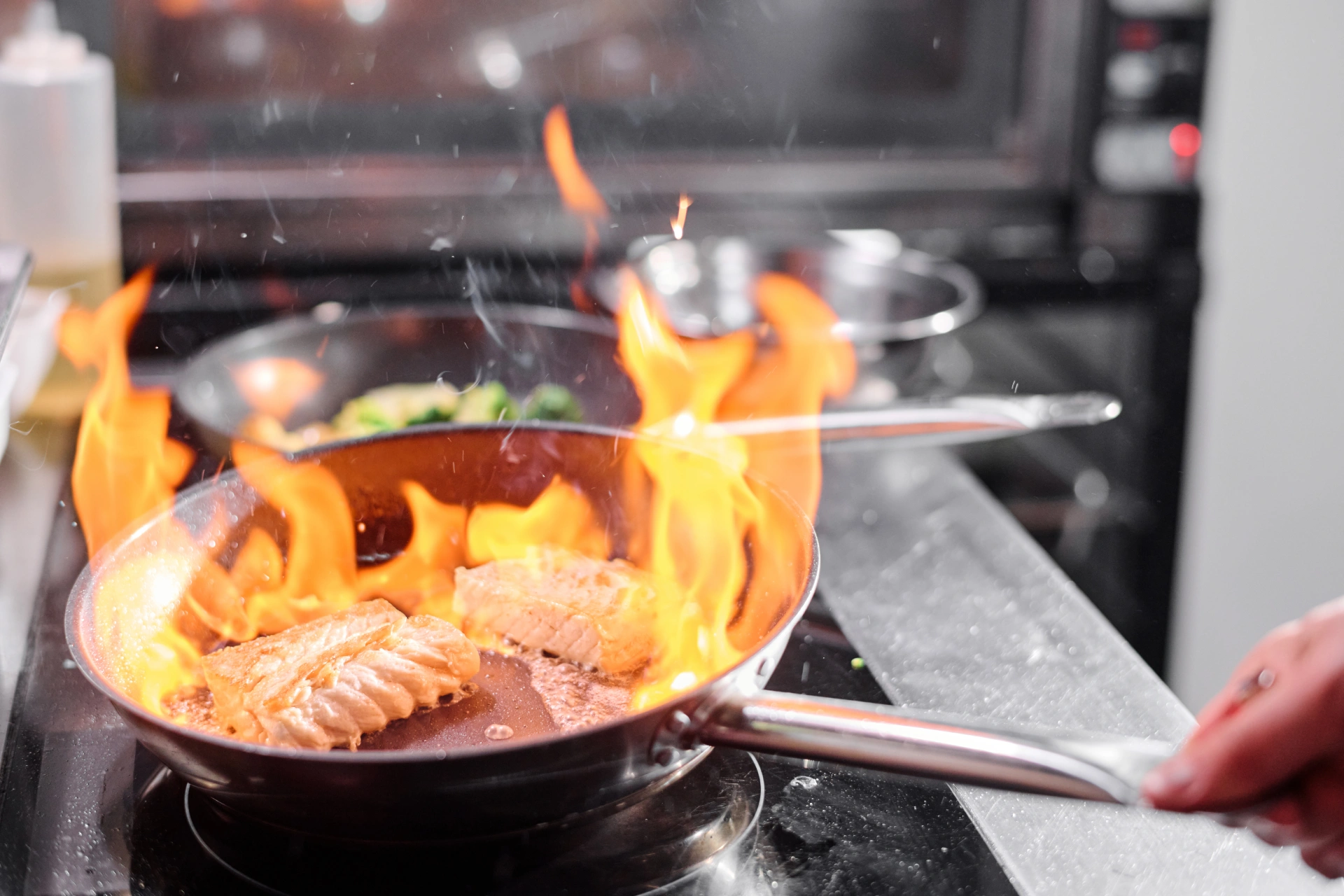
In commercial kitchens, burners stay active for hours. Some ovens barely cool down between lunch and dinner. Soup bases simmer. Oil remains heated. Cleaning systems may need hot water. Even prep work before opening can consume energy.
That constant demand means small price changes can become significant over time. A rise in LPG pricing may not seem dramatic on paper. But when a kitchen runs at scale, even modest increases can slowly squeeze profit margins. And restaurants are already balancing tight ones.
Where Diners Usually Feel the Change
Restaurants rarely put up a sign saying fuel prices have gone up. Instead, customers notice smaller shifts.
Maybe the same noodle dish costs a little more. Maybe portions feel slightly tighter. Maybe a premium menu item disappears altogether. That usually happens because businesses need to absorb pressure without hurting service.
Here is how LPG-related costs can ripple outward:
| LPG-Related Change | What Happens Behind the Scenes | What Diners May Notice |
| Higher fuel usage cost | Cooking becomes more expensive | Slight increase in menu pricing |
| Supplier transport costs rise | Ingredients may cost more | Certain dishes become pricier |
| Operational pressure | Restaurants review waste | Smaller portions or menu edits |
| Budget tightening | Kitchen planning changes | Fewer speciality items |
Fuel Does Not Only Affect Cooking
This part gets overlooked. LPG is strongly tied to kitchen activity, but rising energy costs can influence other business areas too.
Suppliers transporting seafood, meat, produce, or packaged goods face their own cost increases. Warehousing and storage may also become more expensive depending on systems used.
So a restaurant may be paying more before ingredients even arrive at the kitchen door. That is one reason Singapore LPG gas pricing can affect sectors beyond direct fuel supply.
What seems like a simple meal price increase may actually be the result of several smaller costs stacking together.
Why LPG Prices Keep Moving
Fuel prices are rarely stable for long.
They can shift because of:
- Global energy demand
- Shipping disruptions
- Import costs
- Currency changes
- Regional supply pressure
- Broader market uncertainty
A restaurant owner in Singapore may not control any of these. But they still feel the effects. That is the frustrating part of fuel-driven costs. Local businesses can be impacted by events happening far outside their kitchens.
Not Every Restaurant Feels It the Same Way
A bakery using industrial ovens will experience fuel costs differently from a café serving mostly cold beverages.
Likewise, a hotpot restaurant may depend far more on heat-based service than a quick takeaway counter.
Businesses that often feel stronger LPG pressure include:
- BBQ or grill-heavy restaurants
- Bakeries
- Catering kitchens
- Hotpot businesses
- Large food preparation units
Their energy demand is simply higher. This is also why choosing a dependable LPG gas supplier in Singapore can matter for consistency, budgeting, and smoother day-to-day planning.
Can Restaurants Reduce the Pressure?
They cannot control global fuel markets, but they can control efficiency. Some kitchens invest in better burners because old systems waste more gas than people realise.
Others improve maintenance schedules. A poorly adjusted flame may seem like a small issue, but over months, wasted fuel adds up. Menu engineering also helps. Some restaurants simplify preparation methods or reduce energy-heavy cooking steps during slower periods.
These are not dramatic fixes. But practical businesses often survive through smaller operational decisions. For companies working closely with a stable Singapore LPG gas supplier, predictable supply can also help reduce disruption.
Why Diners Are Paying More Now

Most customers are not paying more because restaurants suddenly became expensive. They are paying more because several rising costs are landing at once.
Rent. Labour. Packaging. Delivery. Ingredients. Utilities. Fuel. LPG is one piece of that larger puzzle, but it is a meaningful one because it touches the kitchen directly.
Even operations using recognised commercial systems such as esso LPG gas in Singapore still need to adapt when wider market conditions shift. So if your regular restaurant bill feels slightly heavier than before, fuel may be one of the quieter reasons behind it.
Conclusion
When restaurant bills rise, the reason is usually more layered than it appears. Fuel may not be the most visible expense, but it remains one of the most important behind daily kitchen operations. From cooking consistency to supply-related costs, LPG can influence how restaurants manage pricing and long-term efficiency. At Yew Lee Heng LP-Gas Trading Pte Ltd, we understand how important reliable energy planning is for businesses operating in demanding environments. As a trusted provider of LPG gas in Singapore, we support companies looking for dependable supply, practical service, and long-term stability in a changing market.
FAQs
1. Why does LPG pricing affect restaurant bills?
Because restaurants rely heavily on LPG for cooking, heating, and daily kitchen operations.
2. Do restaurants always increase prices when LPG rises?
Not always. Some absorb costs first, while others make small pricing or menu changes.
3. Are certain restaurants affected more?
Yes. Businesses using heavy heat-based cooking often feel stronger fuel-related pressure.
4. Can restaurants reduce LPG waste?
Yes. Better equipment, maintenance, and efficient kitchen planning can improve fuel usage.
5. Is LPG the only reason food bills rise?
No. Labour, rent, ingredients, transport, and utilities also contribute.
