
If you live in Singapore, chances are you’ve seen those chunky LPG cylinders hanging out in kitchens, hawker stalls, or probably even your grandma’s backyard. Whether you’re just making a midnight snack at home or running a whole restaurant, messing around with LPG isn’t exactly something you wanna take lightly. Seriously, nobody wants to be “that guy” who sets off the fire alarm, or worse.
And lately, it feels like new LPG cylinder companies are popping up every five minutes. So, what’s the deal? Beyond just “Hey, this stuff makes my stove work”, you gotta know how to handle it, how to stash it so it doesn’t become an accidental smoke bomb, and how to pick a supplier who knows what they’re doing (and isn’t just some random dude with a truck).
Stick with us, and we’ll walk you through the dos, the don’ts, and a couple of “for the love of laksa, please don’t” tips. Safety regs? Yeah, we’ll hit those too. Whether you’re a home cook or hustling in F&B, you don’t wanna mess this up.
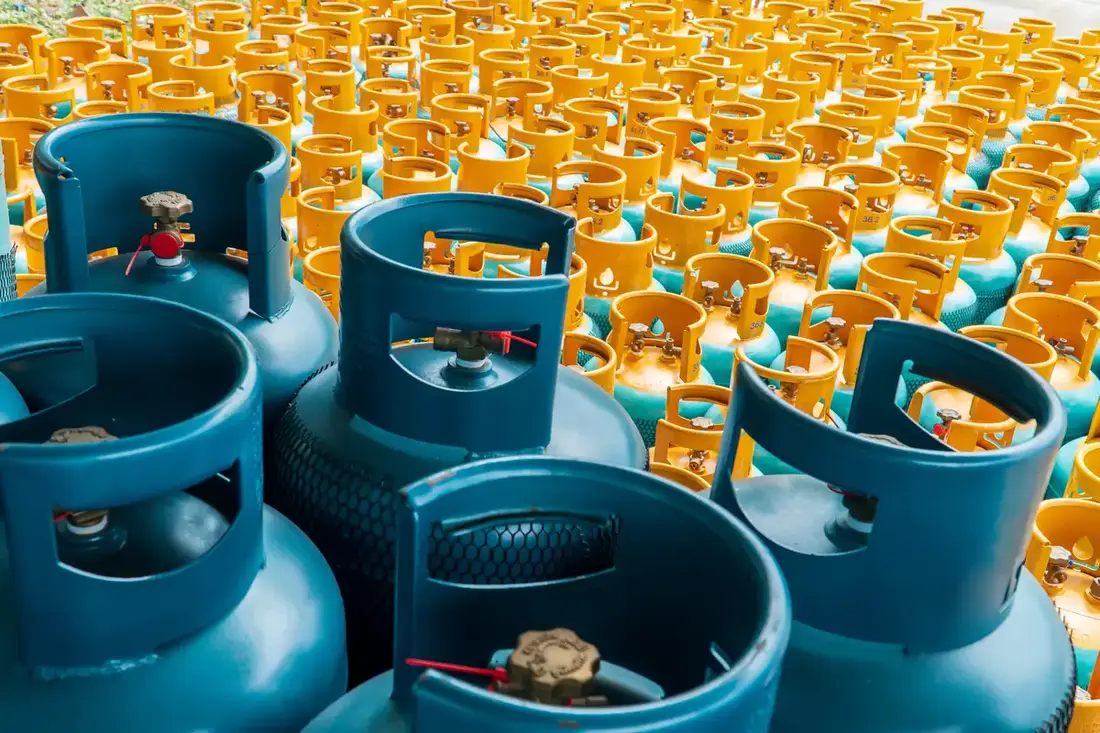
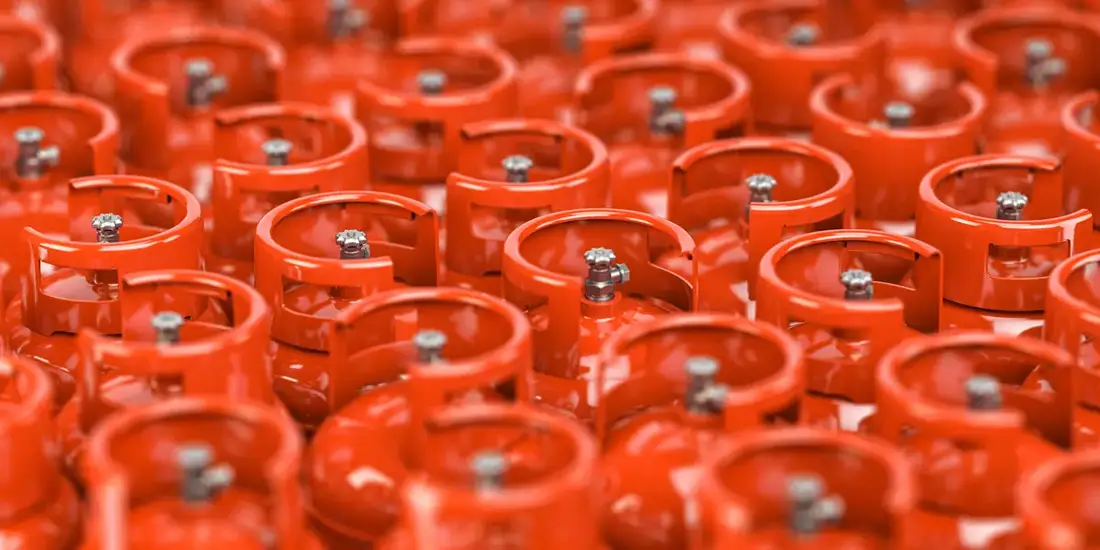
LPG, or liquefied petroleum gas, is a clean-burning, high-efficiency fuel made primarily of butane and propane. It is stored in a liquid state in pressurized cylinders and reverts back to a gaseous form once it’s released. Singapore’s popularity of the LPG cylinder stems from its portability, heating efficiency, and minimal carbon footprint. It is used everywhere from home cooking and coffee houses to hawker centres and industrial food outlets.
Unlike piped gas, LPG cylinders are individual fuel systems, and customers have full control of supply and consumption. Therefore, handling, storage, and choice of supplier become all the more significant.
Alright, let’s talk about gas cylinders in Singapore, yeah, those chunky metal things that power up your steamboat party or keep a hawker stall sizzling. Not all gas cylinders are born equal, by the way. LPG cylinder companies like ours, Yew Lee Heng LP-Gas Trading Pte Ltd, roll out a bunch of sizes, so you’re not stuck lugging around some industrial monster for your tiny HDB kitchen.
And hey, don’t just buy from some random uncle on Carousell. These cylinders come with proper safety fittings, and you actually wanna get them from an approved supplier (like Yew Lee Heng) unless you’re keen on starring in your episode of “Singapore’s Worst Kitchen Disasters.”
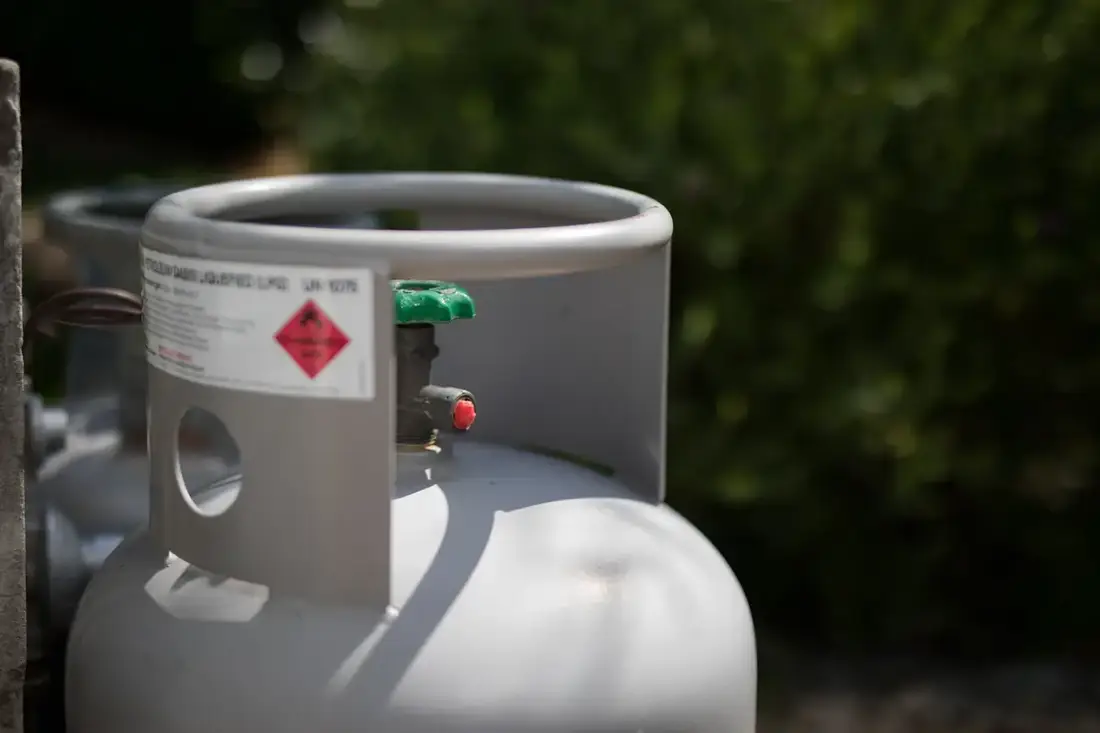
Identifying a Leak
What to Do
Don’t
Working with LPG cylinders shouldn’t be challenging. Follow these tips to stay away from everyday hazards:
Choosing LPG Cylinder companies isn’t exactly thrilling, but screw it up and you’ll regret it. There’s a mix of solid companies and, honestly, total jokers out there. If you don’t wanna risk blowing up your kitchen (or just your wallet), here’s what you gotta look for:
SCDF and CPSO Licensed
This one’s a no-brainer. If the supplier isn’t licensed, that’s your cue to bail. Like, immediately. Don’t get cheap with safety.
Transparent Pricing
If you see weird “handling fees” or surprise charges, just nope out. The good companies tell you the price up front. No refill shenanigans. No sneaky fine print, either.
Fast Delivery
Because let’s be real, your gas always runs out when you’re about to cook dinner. You want someone who shows up, rain or shine, even if it’s Sunday and you’re in some ulu part of Singapore. Waiting three days? Nah, that’s a hard pass.
Proper Customer Support
Ever tried to fix a gas leak with YouTube? Yeah, don’t. You need a supplier that picks up the phone, knows their stuff, and doesn’t leave you hanging.
Look at Yew Lee Heng LP-Gas Trading Pte Ltd? We’ve got all this locked down. Families, hawkers, whoever, they’re everyone’s favorite for a reason.
Stay sharp, don’t get yourself (or anyone else) blown up.
Whether you’re just hooking up one cylinder under your kitchen counter or kitting out a whole restaurant, don’t even think about skipping the pros. We, at Yew Lee Heng LP-Gas Trading Pte Ltd, are not messing around; we’ll handle everything from poking around your site to getting those pipes in place and sorting out all the SCDF paperwork so you don’t have to sweat it.
Here’s the bottom line: when you’ve got your LPG setup sorted, life just runs smoother. Safe? Check. Efficient? Absolutely. Saving you cash? You bet. Doesn’t matter if you’re whipping up some instant noodles at 2 a.m. or running the wok station on a Saturday night, knowing how to keep those cylinders in check is a must. And in Singapore, where everyone’s chasing after better deals and safer setups, picking the right supplier is half the battle. Yew Lee Heng? We’re the real deal, always on call, never cutting corners, and making sure you’re not left in the lurch. So, hey, don’t cut corners. Stay sharp, keep things safe, and you’ll get all the good stuff that LPG has to offer, without any of the headaches.